

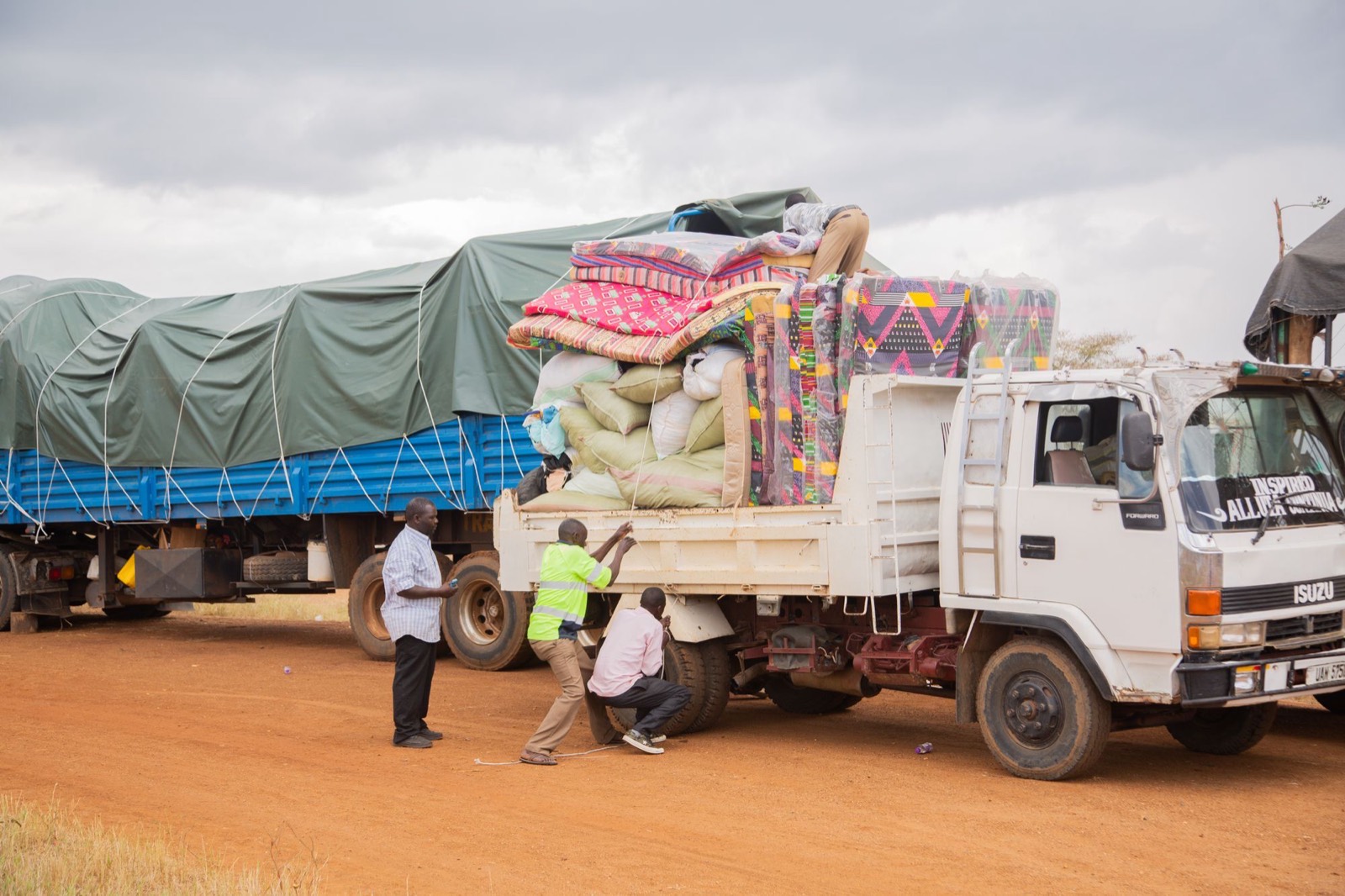
Field-tested AI training for logistics companies in Kenya for transport, freight and clearing teams.
We trained two teams at A.O. Bayusuf and Sons in Mombasa in October 2026.
Some of the organisations we've trained and worked with



























What does AI training look like for a logistics company in Kenya?
AI training for logistics companies in Kenya puts dispatch, accounts, safety and customer staff to work on their own delivery notes, claims and client updates. FuKazee trained two teams on-site at A.O. Bayusuf and Sons, a Mombasa transport company, in October 2026, and has also trained staff at Savannah Tracking.
Kenyan freight moves through a chain of systems: KRA's iCMS for customs entries, KenTrade's TradeNet single window for permits, and the Regional Electronic Cargo Tracking System for transit cargo on the Northern Corridor. AI does not plug into any of these. It helps with the human writing, checking and explaining that surround them.
Clearing and forwarding staff have one extra duty of care. Customs agents hold KRA licences that are renewed every year, and KRA's 2027 renewal notice lists a KIFWA clearance certificate among the papers. Tariff codes and customs decisions stay with the licensed agent, whatever a chatbot suggests.
Choose your starting point.

I Want to Train My Team
Practical AI training for teams in Kenya, built on the work they already do.
Plan your team's training
I'm a Postgraduate Student
Use AI for research, writing and review. Live online, so you can join from Kenya.
ScholarShift Accelerator
I Want to Learn for My Job
One-to-one AI training, shaped around your role and your working day.
Ask on WhatsAppFrom the yard to the accounts office.
Client delay updates
Turn a dispatcher's rough notes into a calm, accurate email that states the position and the next update time.
Claims and incident reports
Organise photos, statements and timelines into a clear report for the insurer, with facts confirmed by the responsible officer.
Clearing and forwarding emails
Document chase-ups to importers, shipping lines and agents, plus plain summaries of long customs notices.
Toolbox talks and safety
Short safety talks from your approved procedures, in English and Kiswahili. Safety decisions stay with your HSE lead.
Fuel, trip and invoice sheets
Excel help to clean trip logs, compare fuel use by route and find invoices that were never raised.
Driver messages
Short, clear instructions a driver can read safely at a stop, with nothing that encourages phone use while moving.
Try it: turn dispatcher notes into a client update
A truck is held up on the Mombasa to Malaba route and the client wants news. You have rough notes from dispatch, with the driver's name and the client's name removed.
Below are rough notes from our dispatcher about truck TRK-A carrying [cargo type] from Mombasa to Kampala through Malaba. Write two things. 1. An email to the client, under 120 words, stating the current position, the reason if known and when we will update them next. 2. A four-line note for our operations manager listing what we still do not know. Stick to what the dispatcher wrote. Do not promise an arrival time. Do not name the driver. Notes: [paste masked notes]
Before you use the answer: Confirm the truck's position on your tracking system and with dispatch. Check reference numbers. Anything about customs status must come from your licensed agent before the email goes out.
What we have learned about training transport teams.
Fleets run early and on tight margins, and we have planned sessions around that before.
- 01
Early starts
Sessions can begin early to match shifts. Our Mombasa client chose 8:00 am.
- 02
Split groups
Run one team and then the next, so that dispatch and the yard stay staffed throughout.
- 03
Where
At your depot, office or a nearby venue by arrangement, anywhere in Kenya. Staff at border points or other countries can join live online.
- 04
Tracking data
A driver's location and history can be personal data under Kenya's Data Protection Act, 2019. Remove names and plates before analysing any telematics export in a public tool.
- 05
Mixed skills
We assume nobody knows AI. Accounts clerks, supervisors and managers learn with the free version of each feature, plus Copilot for those on Microsoft 365.
The seven modules your team can draw from.
Understanding AI
The groundwork for adopting AI responsibly across your organisation.
Prompt Engineering
Role prompts, few-shot examples and clearer instructions for better output.
Best Practices and Verification
Token awareness, output checks and prompt libraries that keep quality high.
Navigating the AI Landscape
Hands-on with ChatGPT, Gemini, Claude, Perplexity, Copilot and others.
Tool Comparison and Evaluation
A way to choose tools without falling for vendor hype or lock-in.
AI Agents and Workflow Optimisation
AI for reports, communication, research, document analysis and workflow redesign.
AI Ethics, Risk, and Responsible Use
Data leakage, hallucinations, bias, prompt injection and policy design for real organisations.
Get a recommended training plan for logistics and transport companies.
Six quick questions about your sector, team and goals. You'll see a recommended programme straight away, and the people who run the sessions follow up with you personally.
- A programme matched to your sector and team size
- An AI usage policy included if you need one
- Takes about a minute. No obligation.
Read more on this.
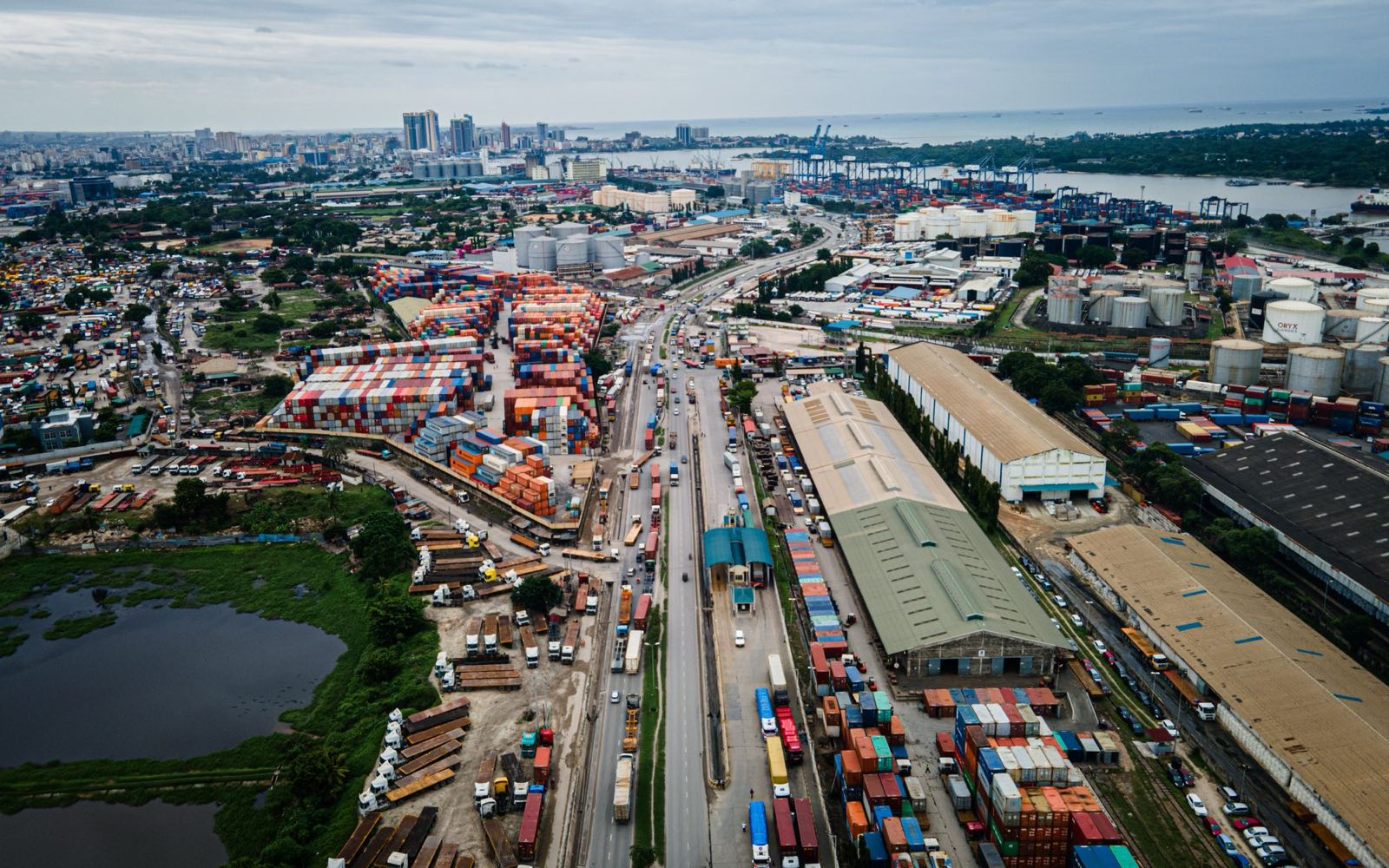


Questions about aI training for logistics companies in Kenya.
Short answers. Anything else, ask us on WhatsApp and a person replies.
Have you trained logistics companies before?
Yes. In October 2026 we trained two teams at A.O. Bayusuf and Sons on-site in Mombasa, over three days each. We have also trained Savannah Tracking. Our exercises draw on that experience of the sector.
Can AI work out HS codes for our cargo?
It can suggest one, and it can be wrong. A wrong code has real cost, so treat any answer as a question for your licensed customs agent. Our sessions teach that check.
Do drivers need this training?
Most value sits with office, dispatch and safety staff. Drivers may benefit from a short session on reading clear instructions and voice notes, and we would never encourage phone use on the road.
Can AI help prepare customs documents?
It can help you draft cover emails and check that a document pack is complete against your own list. Entries in iCMS and legal declarations remain the licensed agent's job. This is not customs advice.
Is there value for a small fleet?
Yes. An owner with a handful of trucks often does all the customer messages and invoicing alone, and free tools can cut that typing down quickly.
Can you train teams in Uganda or Rwanda as well?
Yes, usually live online, and in person by arrangement. Regional offices can join a Kenyan session so everybody learns the same rules on data and sign-off.
What does training for a transport company cost?
Team numbers, depots, days and travel all feed in. A quote follows a conversation about your operation. Read our guide to what corporate AI training costs in Kenya to see the usual factors.
Keep exploring.
Related training
By industry
- AI training for hospitality companies in Kenya
- AI training for healthcare in Kenya
- AI training for insurance companies in Kenya
- AI training for accountants in Kenya
- AI training for law firms in Kenya
- AI training for small businesses in Kenya
- AI training for SACCOs in Kenya
- AI training for manufacturing companies in Kenya
Ready to start with logistics and transport companies?
Tell us who needs training and what you want them to be able to do. The people who run the sessions reply to you themselves.