On this page
TL;DR: - Hospitality runs on people; AI's job is to take time back from the admin around service, not to touch the guest-facing moments themselves. - Real value: drafting guest correspondence, social and marketing copy, and turning scattered review feedback into patterns a manager can act on. - Guest-facing interactions stay human. Pushing AI into the actual guest conversation tends to make service feel worse, not better. - A useful session covers the handful of tasks eating the most time at a specific property, not a generic AI tour.
Where AI genuinely helps
Front office and reservations teams spend real time writing near-identical correspondence, confirmations, follow-ups, apology emails when something goes wrong. AI drafts a strong first version in seconds; a human still reads and sends it. Marketing and social teams get the same benefit: faster first drafts of captions, event promotions, and seasonal offers, still edited and approved by someone who knows the brand's voice.
Management gets something different but just as useful: AI is good at reading through a pile of guest reviews or feedback forms and pulling out the actual patterns, not just the loudest complaint. That turns feedback into something a manager can act on in a morning instead of a week.
Where it doesn't help, and shouldn't
Nobody wants a hotel that feels automated. Guest-facing interactions, the actual conversation at check-in, the way a complaint gets handled in person, the small judgement calls that make a stay memorable, stay human. AI is a drafting and thinking tool behind the scenes, not a replacement for the staff a guest actually meets. Training that gets this backwards, pushing AI into guest-facing moments instead of the admin behind them, tends to make service feel worse, not better.
What a practical training session covers
A useful session for a hospitality team is short, hands-on, and built around the actual week: drafting guest correspondence, writing marketing and social content faster, reading and summarising feedback, and knowing where to stop, what stays a fully human conversation. It does not need to cover every AI tool that exists. It needs to cover the five or six tasks that eat the most time in that specific property or restaurant group.
Where FuKazee fits in
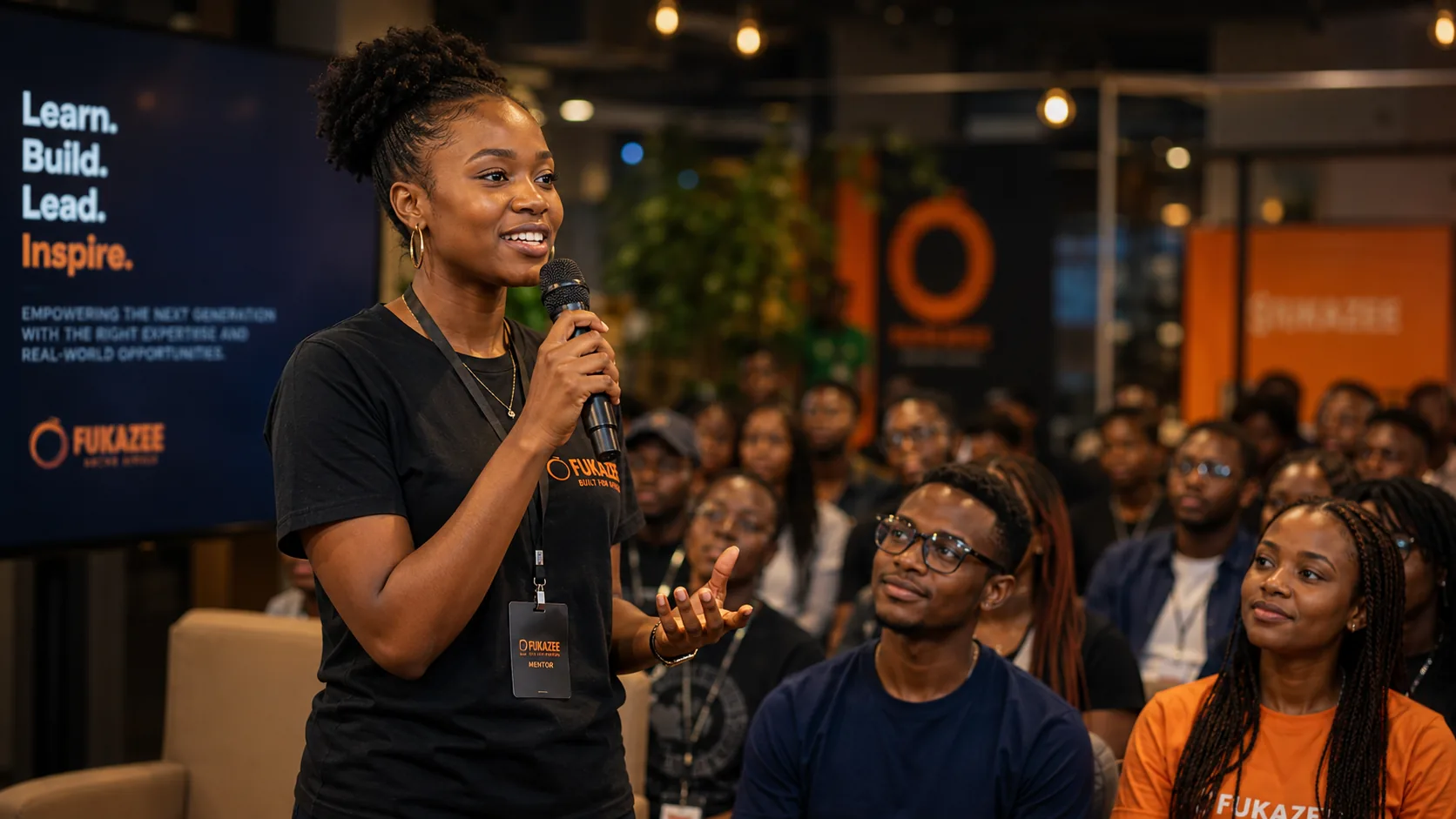
FuKazee runs practical, on-site or online AI training for teams across Kenya, built around what a specific business actually does day to day rather than generic AI theory. If you run a hotel, restaurant group, or hospitality business and want to know what a session for your team would look like, email lead@fukazee.com.
Want guided support instead?
Plan AI training around your team's real work. Answer a few quick questions about your sector, team size and goals, and we will recommend the right programme and format. Sessions are built on your workflows and include a usage policy.